ESD Fundamentals
Electrical Overstress (EOS) and Its Impact on Electronic Component
A practical overview of EOS failure modes, how it differs from ESD, and why process diagnostics should separate the two.
By OhmShieldPublished 27 Jan 20251 min readUpdated 08 Oct 2026
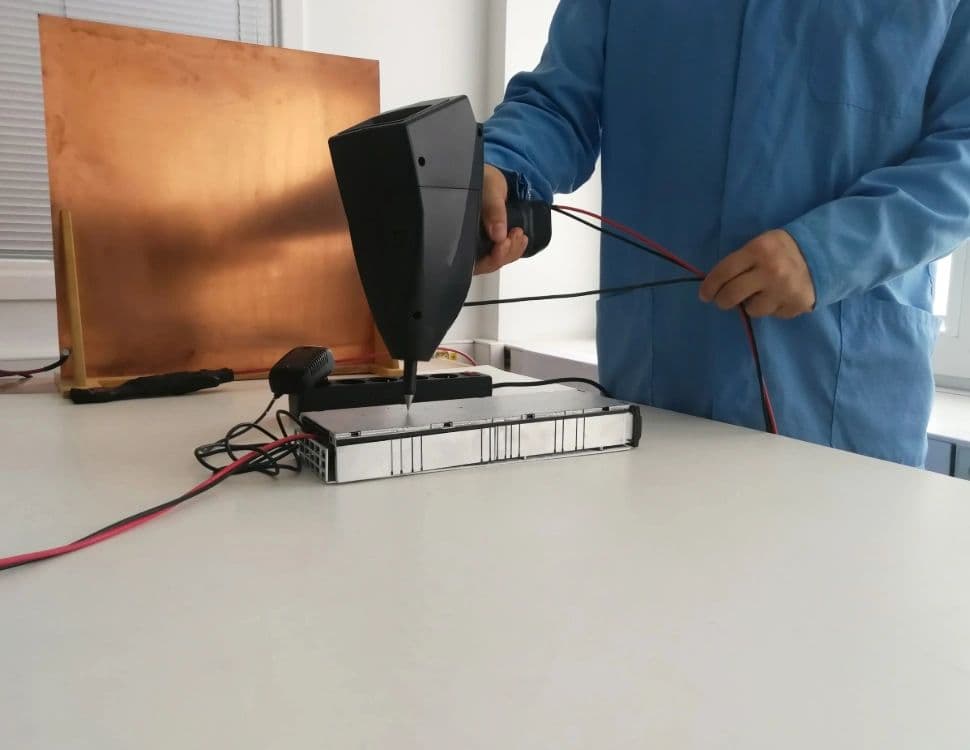
Electrical overstress happens when a device is exposed to voltage or current beyond its designed limits. While ESD is a short-duration event, EOS often involves higher energy and can come from tools, power rails, cabling, or process misuse.
Why teams confuse EOS and ESD
Both can damage sensitive electronics, but the physical signatures and corrective actions are often very different. Misclassification delays root-cause removal.
Typical EOS sources
- Improperly configured test equipment
- Power sequencing failures
- Transient events on harnesses or connectors
- Incorrect use of hot-plug or rework tools
Recommended response
Combine failure analysis with process mapping. Review event logs, work instructions, and any recent equipment changes alongside standard ESD controls.